Saturday, September 19, 2026

Saturday, September 19, 2026

images

Technology Transforms Wildlife Tracking

Wednesday, May 21 2025
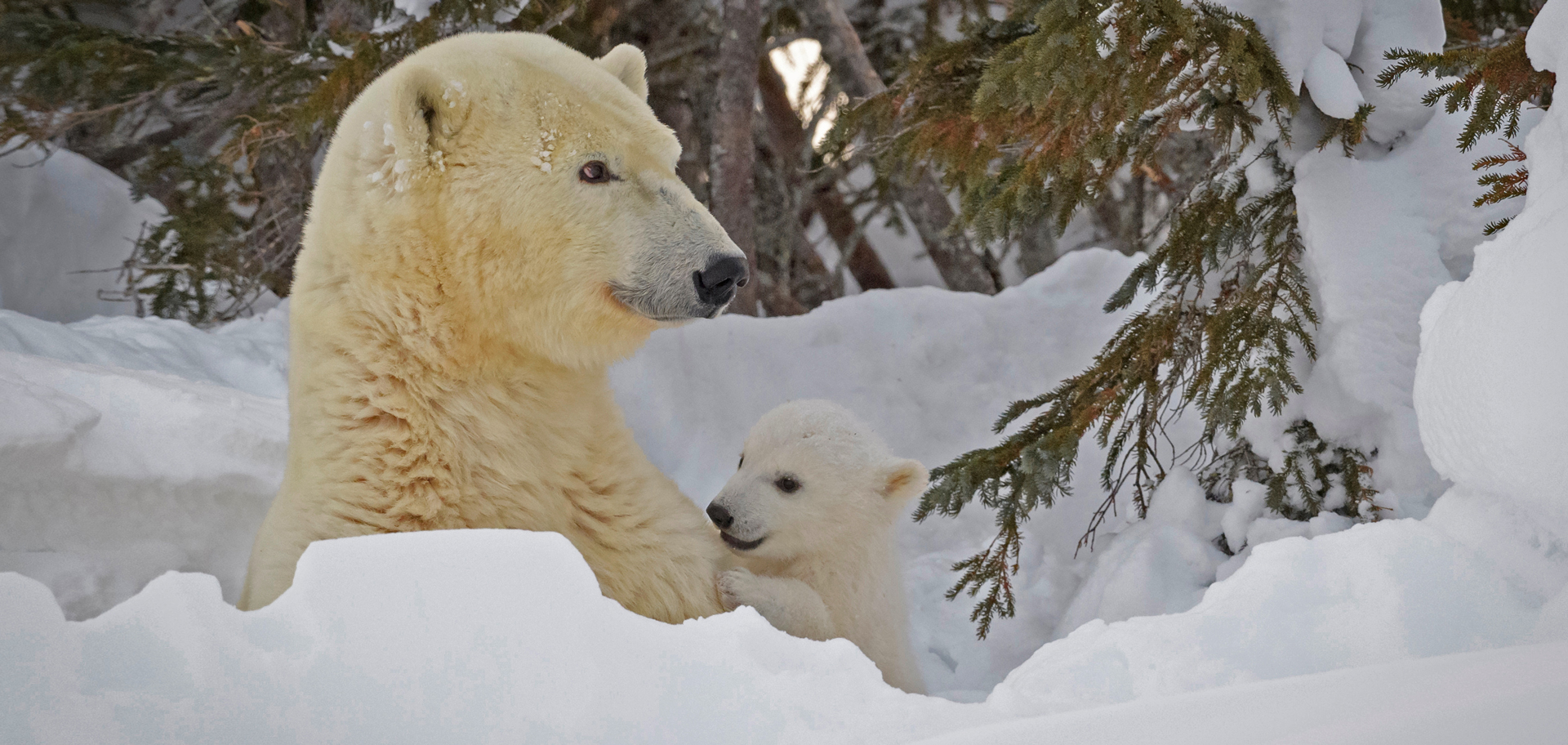
Wildlife tracking has opened our eyes to many fundamental questions in the fields of conservation and ecology. While historically animals have been followed as a means to understand their large-scale movements, such as migrations, there is now a greater focus on learning about movements on the smaller scale, such as individual variations in location shifts or how they shape social networks. This change in outlook comes with different tracking needs, including the ability to track larger numbers of individuals. Luckily, there’s exciting news on this front. Our mobile phones could be the key to a cheaper and more reliable way of tracking animals for conservation efforts and ecology initiatives. And a new, learning framework for autonomous drones promises to find elusive sperm whales and predict where they will surface, helping to protect them. Polar bear monitoring, too, is receiving a makeover: researchers are combining satellite-collar data with specialized cameras to shed light on one of the most mysterious and important stages in polar bears’ lives: maternal denning, when bears give birth and then emerge with their cubs.

Related Stories